
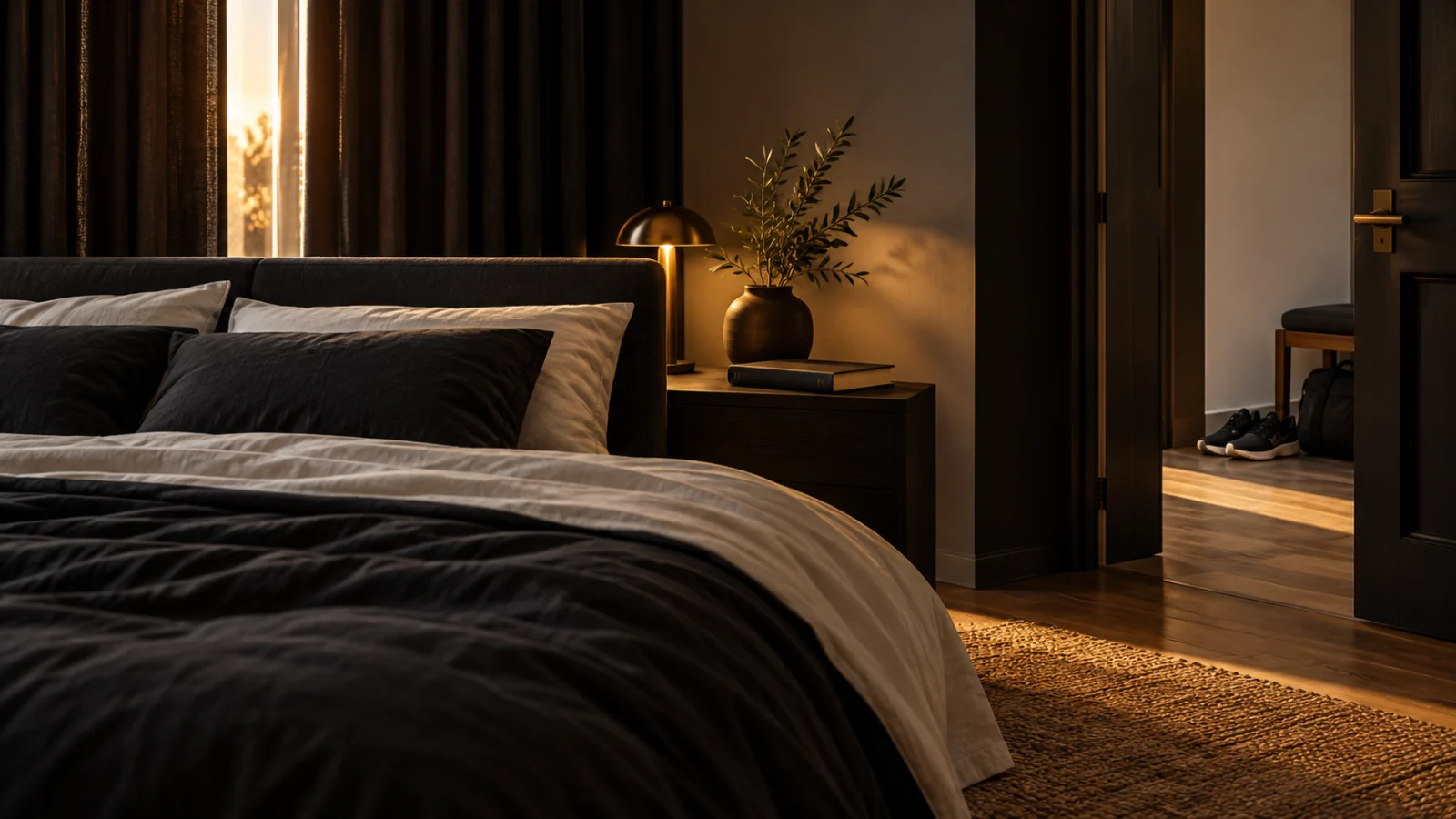
Sleep belongs in a healthy-living conversation even when it does not look like a workout. A routine that repeatedly sacrifices sleep to fit in exercise may need a different schedule. Begin with the practical conditions around bedtime and waking rather than assuming a new device or supplement will solve the problem. This is general education, not treatment for insomnia or another sleep disorder.
Look at the schedule as a whole
Consider work hours, caregiving, travel and the time needed to wind down. A plan should acknowledge those realities rather than copying a schedule designed for someone else. If the only available workout repeatedly shortens sleep, ask whether its timing or duration can change.
NHLBI's sleep guidance discusses consistent schedules and a suitable sleep environment. Those are useful planning topics, but a list of habits does not diagnose the cause of persistent difficulty sleeping. Individual conditions and medicines may require professional assessment.
Choose a manageable environment change
Review light, noise and ordinary bedtime interruptions. A quieter routine or a more suitable room arrangement may be a practical experiment. Do not promise that a particular routine guarantees sleep or that everyone can control every environmental factor.
Notice caffeine and other relevant choices without assigning a universal cutoff from an online anecdote. Discuss individual concerns with a qualified professional. Do not add a sleep product merely because its marketing is connected to recovery or athletic performance.
Keep device information in perspective
A wearable's estimate can be interesting without being a diagnosis. Understand what the device measures and what it infers. A poor score should not automatically lead to a harder workout, an unapproved supplement or a conclusion that a medical problem has been identified.
If sleepiness affects driving, work safety or ordinary functioning, take the concern seriously. Persistent sleep problems, breathing concerns during sleep or other symptoms warrant appropriate medical advice rather than repeated self-experiments.
Adjust the fitness routine accordingly
Use suitable activity and recovery decisions that reflect the whole day. A shorter session or rest may be appropriate when circumstances change. Avoid treating sleep as an obstacle to discipline or trying to replace it with stimulants and more effort.
Key takeaway: sleep is part of the foundation that supports a sustainable practice. Practical habits can help organize the routine, but a magazine guide cannot diagnose a sleep disorder, guarantee recovery or determine an individual's treatment.
Sources & further reading
Source review: October 29, 2026. General educational information, not individualized medical advice, professional instruction or a clinical review. Follow appropriate individual guidance. Recipes are not kitchen-tested; timing and yields are estimates.