A useful home fitness purchase begins with a clear activity, not an impressive collection. Before buying equipment, identify what you want to practice, how you will learn it and where it can be used safely. A small suitable setup can be more useful than a machine that crowds a doorway or never fits your routine.
HealthLink BC's equipment guidance emphasizes fit, comfort, usability and maintenance. Those questions are more practical than assuming a higher price guarantees a better experience. This article offers selection criteria, not hands-on product reviews or brand rankings.
Start with the movement and instruction
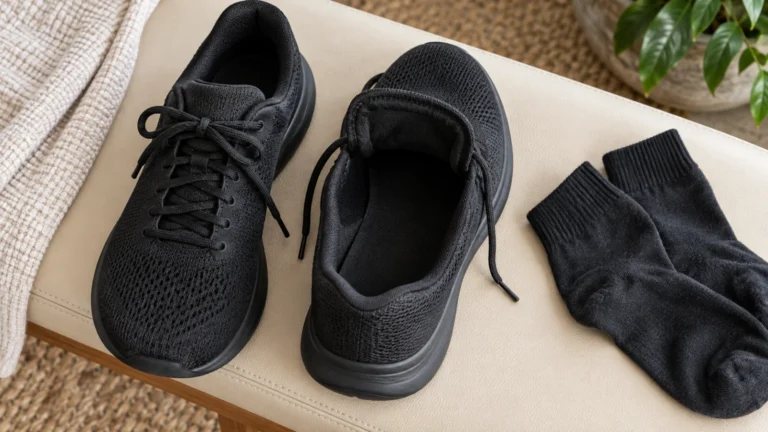
Write down the activity first. Walking may need suitable footwear and a safe route rather than a new machine. A strength practice may use an appropriate resistance tool after the movement has been learned. Do not choose unfamiliar equipment solely because an online routine makes it look easy.
Ask who will explain setup and technique. Manufacturer instructions address intended use and limits; qualified exercise guidance can help determine suitability. A general publication cannot select a safe resistance level or rehabilitation device for an individual.
Measure the usable space
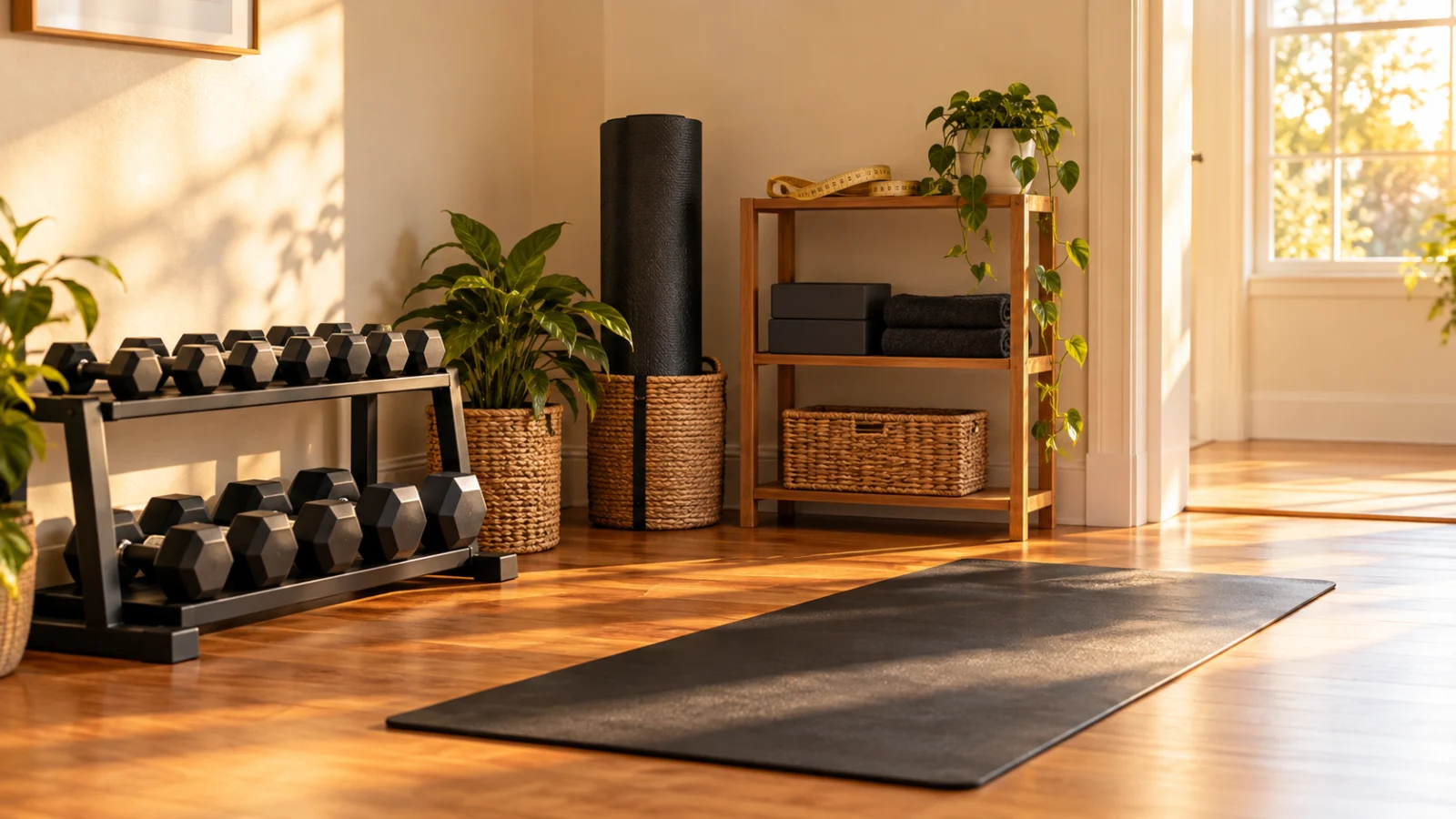
Consider the full moving area, not just the equipment's stored footprint. Leave room to enter, exit and move without striking furniture. Keep doors, walkways and access to help clear. Check the floor surface and whether the equipment is intended for it.
Plan storage before purchase. Loose weights, cords and bands can become obstacles. Keep equipment away from children and pets when not in use, following the manufacturer's precautions. Avoid improvising fixtures or loading furniture that was not designed for exercise.
Include inspection and upkeep
Check instructions for assembly, weight limits, wear and maintenance. If a part is damaged, stop using the equipment until the manufacturer or an appropriate professional resolves the issue. Resistance bands require particular attention to damage and safe positioning because a failure can cause recoil.
Keep instructions available. A product that requires more adjustment or maintenance than you can realistically provide may be a poor match even if its features sound appealing. Compare total ownership responsibilities rather than only the initial price.
Evaluate the purchase without pressure
Where available, try the equipment appropriately and review return terms before buying. Ask whether it fits comfortably and whether you understand its controls. Consider whether a simpler option meets the actual need.
Key takeaway: select equipment around a suitable activity, adequate space, clear instruction and a maintenance plan. More equipment does not automatically create a more consistent routine. Useful gear supports a practice you understand and can perform safely.
Sources & further reading
- HealthLink BC: Choosing Safe Equipment
- Aneurin Bevan University Health Board: Resistance Band Safety
Source review: October 29, 2026. General educational information, not individualized medical advice, professional instruction or a clinical review. Follow appropriate individual guidance. Recipes are not kitchen-tested; timing and yields are estimates.