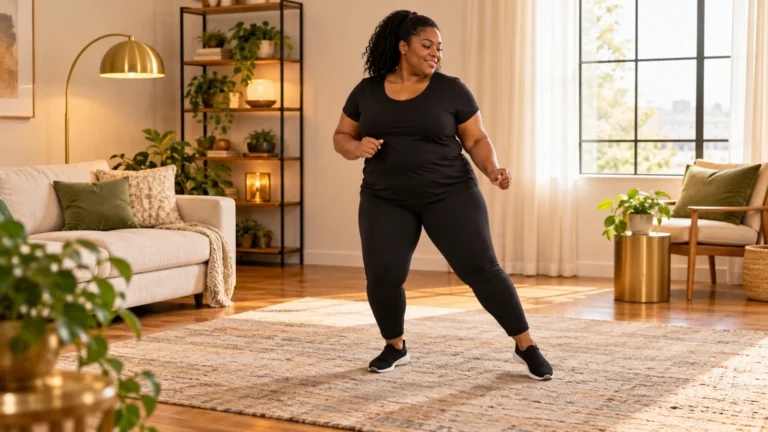

A warm-up connects ordinary activity with the demands of a planned session. It should help you begin gradually and become familiar with the movements ahead. It is not a ceremony that makes every workout safe or a chance to exhaust yourself before the main activity. Choose preparation that fits your current ability, the session and any relevant professional guidance.
Begin with an easier version of the task
For a suitable walking session, that might mean starting at a gentler pace. For a familiar strengthening movement, it may involve an appropriate easier rehearsal before adding resistance. These examples describe a principle, not a universal warm-up sequence.
NIA's guidance explains that a warm-up allows breathing and heart rate to increase gradually. Keep the transition comfortable rather than chasing a dramatic sensation. If you are uncertain about a particular exercise or condition, seek qualified guidance before practicing it independently.
Use the time to check the environment
Look at the floor, available space and equipment setup. Make sure a chair or support is stable and that a band or other device is used according to its instructions. A few quiet checks can be more useful than moving quickly through an unfamiliar routine.
Notice how the planned movement feels today. An activity that was comfortable previously may need a different approach when circumstances change. Pain, dizziness or another concerning symptom is not a warm-up hurdle to overcome by persistence.
Keep stretching claims proportional
Gentle flexibility work can be part of a broader routine when appropriate, but do not assume a particular stretch prevents every injury or repairs an existing problem. Avoid forcing a painful range or copying an advanced position because it appears in a short clip.
The preparation should not leave you too fatigued to perform the main session with control. If the warm-up itself is challenging, adjust the plan rather than treating its completion as permission to continue into a harder activity.
Transition and review
Move into the planned session gradually and retain the option to shorten or stop it. Afterward, note whether the preparation helped you understand the movement and setup. Keep useful elements and remove unnecessary complexity.
For chest pain, faintness or unusual severe breathlessness, stop and seek appropriate assistance; immediate danger requires emergency care. A general warm-up article cannot evaluate symptoms or provide medical clearance.
Key takeaway: prepare for the work you actually intend to do, at a level that remains suitable. A warm-up supports attention, gradual transition and equipment checks. It does not erase the need for appropriate instruction, judgment or individual medical advice.
Sources & further reading
Source review: October 29, 2026. General educational information, not individualized medical advice, professional instruction or a clinical review. Follow appropriate individual guidance. Recipes are not kitchen-tested; timing and yields are estimates.