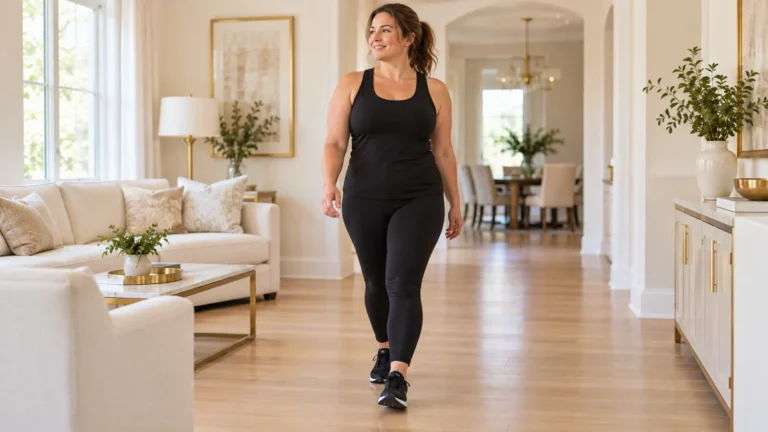

A useful beginner routine fits the person doing it, including their starting ability, schedule and access to suitable space. It does not need to resemble an athlete's program or begin with an exhausting week. Start with activities you can perform comfortably and a plan you can adjust. General education cannot determine which exercise is appropriate for an individual medical condition.
Identify the starting point
Describe what you currently do rather than what you think you should already be able to do. Consider walking, everyday movement and any experience with strengthening activities. If you have symptoms, an injury, balance difficulties or uncertainty about safety, obtain appropriate professional guidance before choosing a new routine.
NIDDK's guidance supports beginning gradually. That principle matters more than copying another person's pace. A short manageable activity can provide useful information about comfort, logistics and recovery without requiring a dramatic test of commitment.
Give each session a purpose
Separate an aerobic activity, such as a comfortable walk, from a strengthening session that uses appropriate resistance. CDC guidance includes both aerobic and muscle-strengthening activity in adult recommendations. The exact starting dose should reflect your circumstances; a public guideline is not a requirement to complete its entire weekly target immediately.
Write a simple plan with the activity, available time and necessary equipment. Include an easier option for a difficult day. That alternative should remain a real choice, not a punishment disguised as a shorter workout.
Make progress observable
Keep a brief private record of what you did and how it felt. Useful observations include whether the instructions were clear, whether the space worked and whether the activity remained comfortable. You do not need to collect every metric a device can display.
Change one manageable element when the current routine is appropriate and repeatable. More time, greater resistance and increased frequency are different changes. Increasing everything together makes it harder to understand which adjustment caused a problem.
Review the routine rather than your worth
A missed session is information about the plan, not a verdict on character. Look for a practical obstacle: timing, setup, fatigue or an activity you dislike. Adjust the routine without promising a specific weight change or transformation deadline.
Stop for concerning symptoms such as chest pain, faintness or unusual severe breathlessness and seek appropriate help; immediate danger requires emergency care. Do not interpret motivational language as a reason to push through warning signs.
Key takeaway: begin with a suitable, repeatable activity and build knowledge from real experience. Healthy living is the foundation, fitness is a practice and empowerment comes from making informed choices—not from matching someone else's first week.
Sources & further reading
Source review: October 29, 2026. General educational information, not individualized medical advice, professional instruction or a clinical review. Follow appropriate individual guidance. Recipes are not kitchen-tested; timing and yields are estimates.