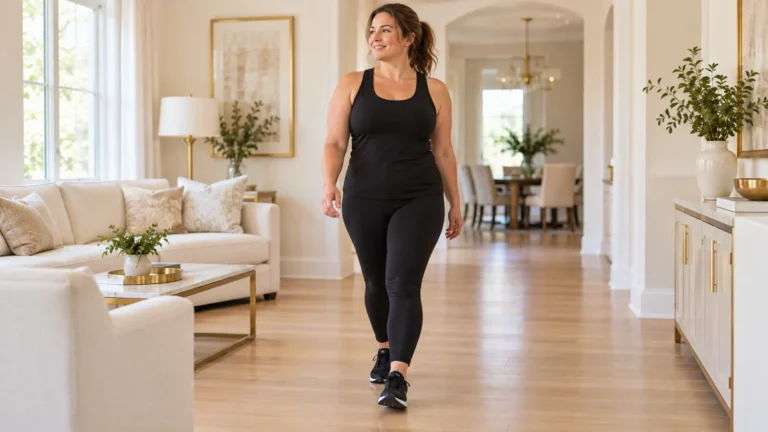

A scale measures one aspect of a person's body at one moment. It does not describe the entire experience of becoming more active or maintaining a useful routine. Progress tracking can include practical abilities, consistency and how well a plan fits ordinary life. Choose observations that support informed decisions without turning every day into an examination.
Match the observation to the goal
If your goal is to take a comfortable walk during a workday, record whether the walk happened and whether the route and timing worked. If you are learning a strengthening movement, note the variation and whether it remained controlled. Those observations answer different questions from body weight.
Do not invent a measurement simply because an app offers a field. A calorie estimate, readiness score or body-composition number may have limitations that matter. Understand what a device can establish before treating its output as a personalized conclusion.
Use a small, repeatable record
A brief private log can include the activity, duration and one useful observation. You may also note a practical barrier, such as missing equipment or an unsuitable time. Keep sensitive health information appropriately protected and avoid sharing it publicly merely to prove commitment.
NIDDK's habit-change guidance describes maintenance as an ongoing process that includes setbacks and adjustment. Use tracking to understand that process, not to create an unbroken streak that overrides symptoms, illness or the need for rest.
Review patterns rather than isolated days
An unusually difficult session can reflect many circumstances. One measurement does not explain its cause. Look for a pattern and consider sleep, stress, recovery and changes in the routine without diagnosing yourself from a log.
If an observation raises a health concern, seek appropriate professional advice. Tracking is not a substitute for clinical assessment. Avoid assigning a guaranteed timeline for strength, weight change or other outcomes based on another person's story.
Let the record improve the plan
Keep a successful setup, simplify an obstacle and choose an appropriate next step. A useful result may be discovering that a shorter session is more repeatable or that a particular exercise needs instruction. Those findings can support progress even when the scale does not change.
Key takeaway: measure what helps you understand and maintain a suitable practice. Progress can include greater confidence with a movement, a more usable routine and better decisions. A number is a tool, not a complete account of health or personal worth.
Sources & further reading
Source review: October 29, 2026. General educational information, not individualized medical advice, professional instruction or a clinical review. Follow appropriate individual guidance. Recipes are not kitchen-tested; timing and yields are estimates.