
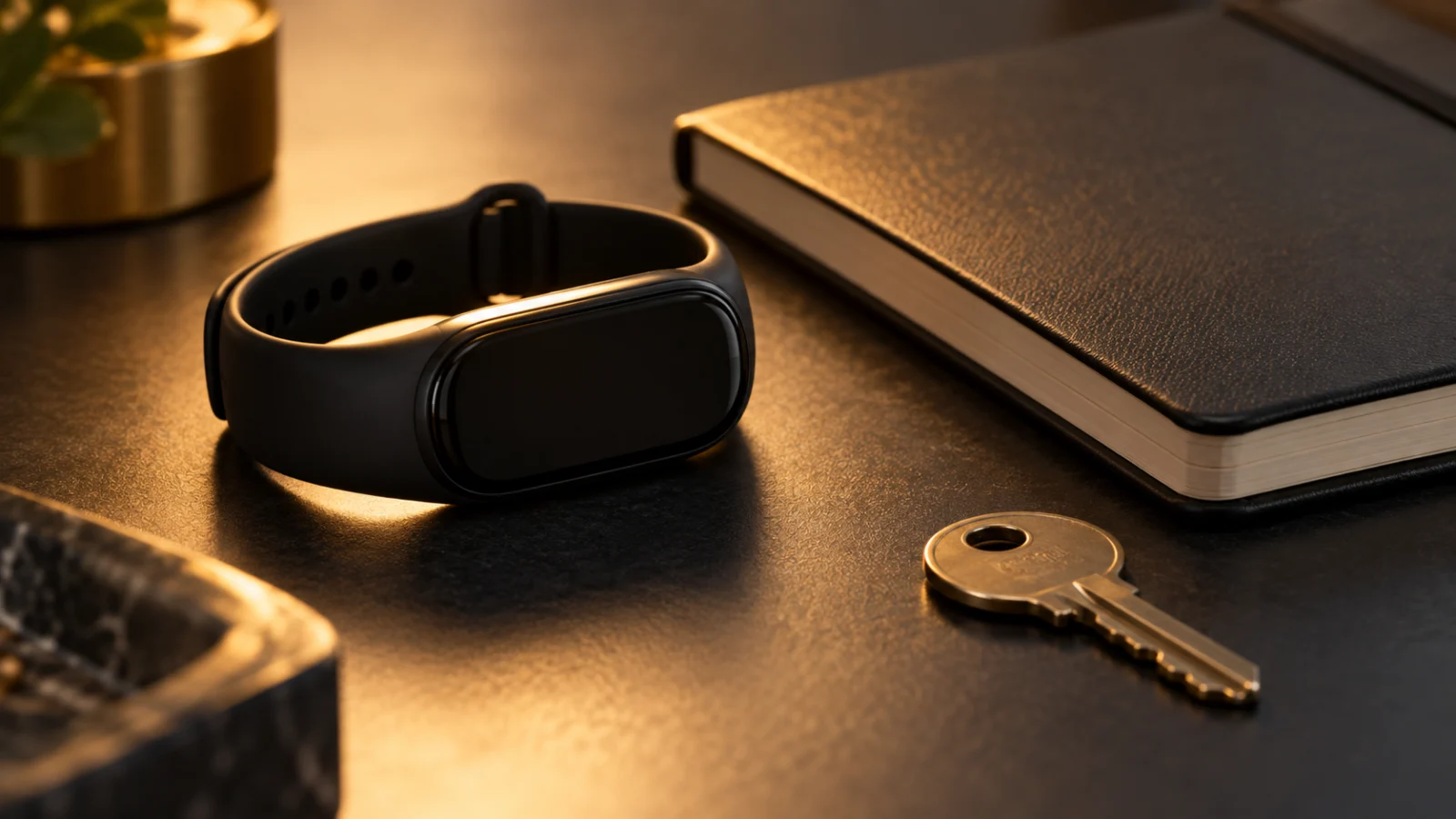
A wearable can make an activity log convenient, but convenience does not make every number a precise measurement of health. Before relying on a device, ask what it measures directly, what it estimates and how the information will influence your decisions.
This is a framework for evaluating devices and associated apps, not a tested comparison. Capabilities, validation and privacy settings vary by model and software version. Review current documentation for the specific product instead of treating all wearables as equivalent.
Decide what the tool is for
Choose a modest purpose such as recording the approximate length of a walk. Consider whether a timer or a paper note could meet the same need. A device should make a useful habit easier rather than create pressure to satisfy a daily score.
For aerobic effort, the CDC's talk-test guidance provides a simple practical reference. Device readings can add context, but symptoms and an individual's clinical advice take priority. Do not use an unfamiliar metric to diagnose a condition or decide that concerning symptoms are harmless.
Read the measurement limitations
Look for the manufacturer's explanation of accuracy, intended use and conditions that affect readings. An estimate of energy expenditure is not a personal food prescription. A wellness score is not automatically a clinical assessment.
If a product makes a medical claim, check what that specific claim means and seek qualified guidance about its relevance. Avoid transferring evidence from one device or feature to an unrelated model. Do not adjust medication or treatment based on a general fitness dashboard.
Review the data relationship
A connected app may process information beyond what appears on the watch face. Review permissions, location access, connected services, sharing defaults, retention explanations and export or deletion options before creating an account.
The FTC's health-app guidance shows why health information requires careful privacy and security consideration. Do not assume that every consumer app has the same protections as a healthcare provider's records. Read the actual policy and minimize optional collection where practical.
Keep the routine in charge
Decide when to review the information and what a useful adjustment would be. Missing data does not erase an activity. If tracking encourages distress, compulsive checking or unsuitable exercise, consider a simpler approach and appropriate support.
Key takeaway: use a wearable for a defined purpose, understand its limits and review its data practices. A useful tool supports judgment; it does not replace bodily feedback, individualized advice or a sustainable relationship with activity.
Sources & further reading
Source review: October 29, 2026. General educational information, not individualized medical advice, professional instruction or a clinical review. Follow appropriate individual guidance. Recipes are not kitchen-tested; timing and yields are estimates.