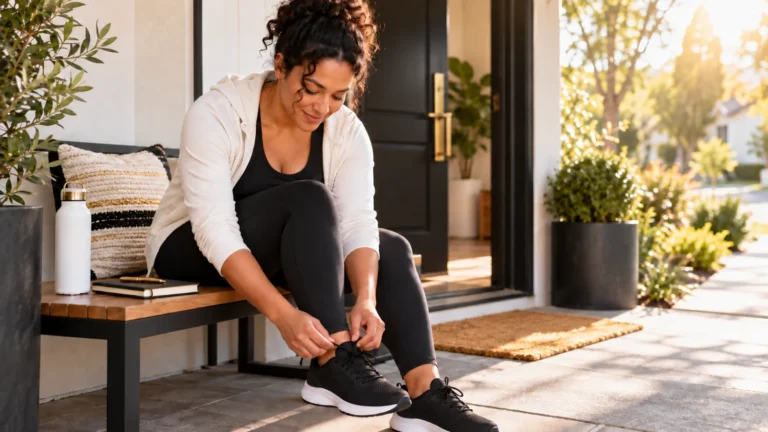
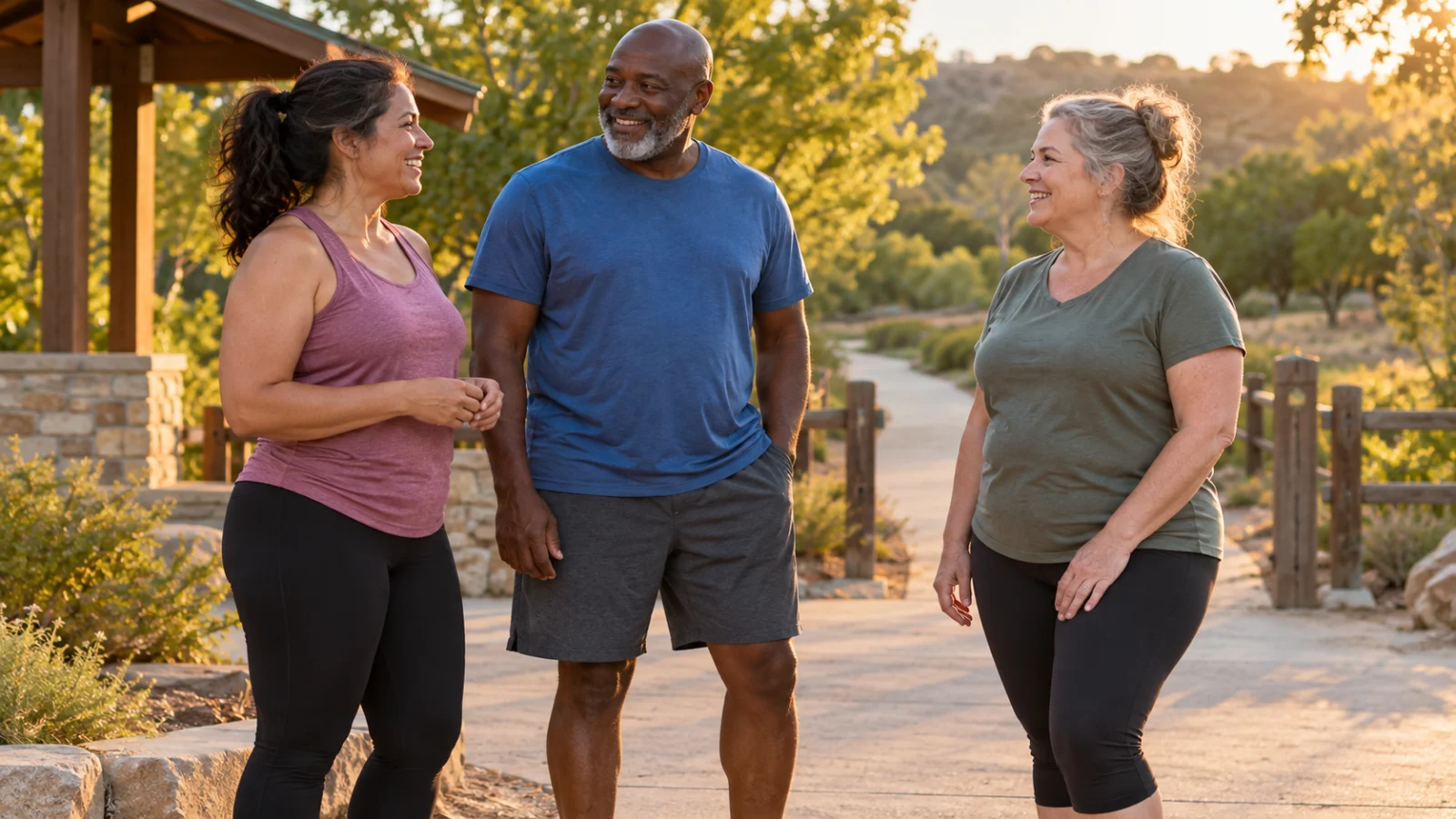
A supportive environment makes suitable activity easier to begin and easier to adapt. It may involve another person, a clearer space, a manageable schedule or permission to change the plan. Support does not have to mean public challenges, constant accountability or competitive comparison.
The aim is to reduce unnecessary obstacles while respecting individual circumstances. NIDDK's habit-change guidance and NIMH's self-care information both recognize the value of practical routines and support. Neither makes a single social arrangement necessary for everyone.
Ask what support actually means
Someone may want company for a walk; another person may prefer uninterrupted time alone. Ask before offering reminders or advice. Agree on what would be helpful rather than assuming that encouragement must be energetic or frequent.
Make room for different abilities and preferences. A shared activity should allow a comfortable pace, rest and an early finish without embarrassment. Do not pressure someone to disclose a medical condition to justify a modification.
Remove a practical obstacle
Look for one manageable change. Clear a safe route through a room, identify suitable clothing or choose a realistic time window. If another household member can help protect that time, make the arrangement specific and voluntary.
Plan an alternative for disruption. A shorter suitable activity, a different day or rest can keep the routine connected to real capacity. Avoid treating an adjusted plan as a debt that must later be repaid with extra effort.
Keep comparison from becoming the standard
People differ in recovery, experience and available resources. A shared step count or workout duration does not capture those differences. Consider tracking whether the arrangement feels useful and sustainable instead of ranking participants.
Avoid unsolicited comments about weight, appearance or food. Ask what kind of feedback is welcome. Support can focus on showing up, learning a skill or making an appropriate choice to rest rather than judging a visible outcome.
Protect privacy and boundaries
Obtain permission before sharing photographs, location details or personal progress. A private activity does not become public content simply because a friend is enthusiastic. Group messaging and apps also have data practices worth considering before use.
When a concern exceeds ordinary encouragement, help the person find qualified support rather than trying to diagnose or prescribe. A friend, publication or activity group cannot replace appropriate clinical care.
Key takeaway: make support practical, consensual and flexible. The most useful environment is one that helps people make suitable choices without pressure to compete, disclose personal information or follow someone else's definition of progress.
Sources & further reading
Source review: October 29, 2026. General educational information, not individualized medical advice, professional instruction or a clinical review. Follow appropriate individual guidance. Recipes are not kitchen-tested; timing and yields are estimates.